

Why senior mental health deserves attention
Mental health is a central part of healthy aging, and assisted living can either support or overlook it depending on how daily care is organized. Residents may need help with depression, anxiety, grief, loneliness, dementia-related changes, sleep problems, or the emotional adjustment that follows a move.
Moving into assisted living does not automatically cause poor mental health. For some people, it reduces stress by providing meals, household support, medication reminders, safer surroundings, and regular contact with others. For others, the change may bring sadness, loss of independence, worry about finances, or uncertainty about fitting into a new routine.
A thoughtful approach considers both physical needs and emotional well-being.
What mental health concerns are common among older adults?
Depression and anxiety are not normal parts of aging, even though they can become more likely after illness, bereavement, reduced mobility, or major changes in living arrangements.
Common warning signs include:
- Persistent sadness, hopelessness, or irritability
- Loss of interest in hobbies, meals, conversations, or activities
- Sleeping much more or much less than usual
- Changes in appetite or unexplained weight loss
- Fatigue, slowed movement, or lack of motivation
- Excessive worry, restlessness, or fearfulness
- Difficulty concentrating or making ordinary decisions
- Increased complaints about pain without a clear medical explanation
- Withdrawal from family members, neighbors, or other residents
Older adults may describe depression through physical symptoms rather than saying they feel sad. A resident might repeatedly report weakness, stomach problems, headaches, or poor sleep. These concerns should be taken seriously while also considering whether depression, anxiety, medication effects, infection, or another medical condition could be involved.
How can assisted living affect emotional health?
The setting can provide useful structure, but structure alone is not enough. Mental health often improves when residents have meaningful choices, predictable routines, and opportunities to form relationships.
Helpful features may include:
- Regular meals and consistent daily schedules
- Activities based on residents’ interests rather than age alone
- Access to outdoor areas, daylight, and gentle physical movement
- Private time as well as opportunities for social contact
- Support with transportation and appointments
- Staff who notice changes in mood, sleep, appetite, and behavior
- Opportunities to maintain religious, cultural, family, and personal routines
A resident who prefers quiet conversation may not benefit from being placed in a large group activity. Another person may feel better after attending music, exercise, gardening, or discussion programs. The goal is not to make every resident participate in the same way. It is to help each person remain connected, purposeful, and respected.
In Paoli, seasonal weather can also affect routines. Cold temperatures, snow, ice, rain, and shorter winter daylight may limit outdoor activity or family visits. Indoor alternatives, safe walking areas, bright common spaces, and regular contact during difficult weather can help reduce isolation.
What is the difference between loneliness and depression?
Loneliness is the painful feeling of lacking meaningful connection. Depression is a medical condition that can affect mood, thinking, sleep, appetite, energy, and interest in life. A person can experience one without the other, although they often overlap.
For example, a resident may feel lonely after moving away from longtime neighbors but still enjoy meals, conversations, and hobbies when invited. Another resident may have depression and withdraw even when social opportunities are available.
Family members and staff should avoid assuming that a person is merely “adjusting.” If symptoms persist for two weeks, worsen, or interfere with eating, sleeping, personal care, or participation, a medical and mental health evaluation is appropriate.
How can families recognize a concerning change?
Families often notice changes that are difficult to see during a short visit. Pay attention to patterns rather than one unusual day.
Questions worth asking include:
- Has the person stopped doing activities they previously enjoyed?
- Are phone calls shorter, less frequent, or more negative?
- Has personal hygiene, appetite, or sleep changed?
- Does the resident seem unusually fearful, confused, angry, or withdrawn?
- Are there new complaints after a medication change?
- Does the person seem distressed at a certain time of day?
- Has a recent illness, fall, hospitalization, loss, or room change affected mood?
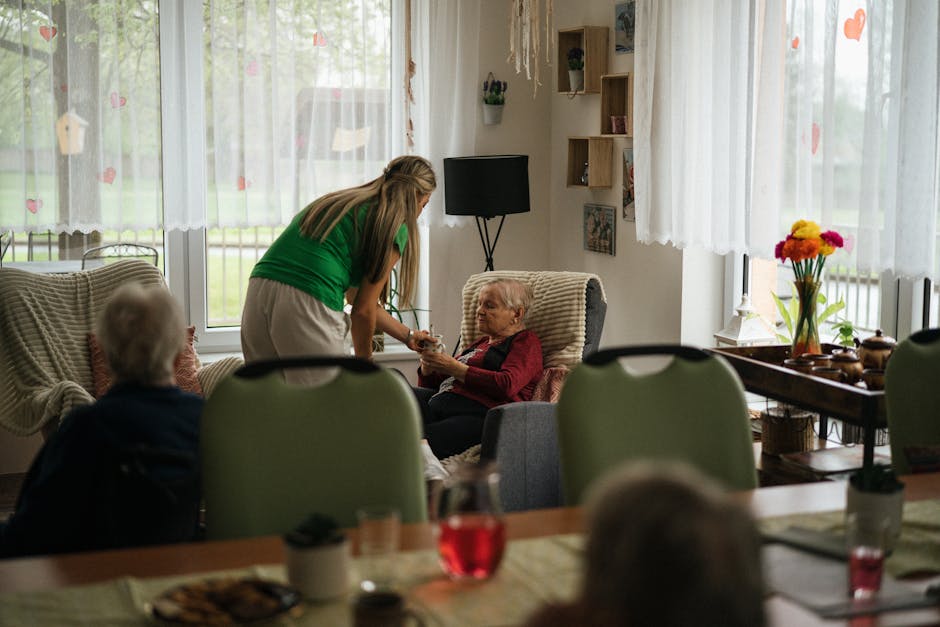
A simple written record of dates, symptoms, sleep, appetite, medications, and major events can help identify patterns. Sudden confusion or a rapid behavior change should not automatically be labeled dementia or depression. Delirium, infection, dehydration, pain, medication reactions, and other urgent medical problems can produce abrupt changes.
What mental health support should families ask about?
Pennsylvania assisted living regulations require a resident’s support planning to address needed mental health or behavioral services, including referrals when appropriate. Families can ask how those needs are assessed, documented, communicated, and revisited over time.
Useful questions include:
- Who observes and documents mood or behavior changes?
- How are concerns communicated to the resident’s family and medical providers?
- Can counseling or psychiatric visits occur through outside providers?
- How are medication side effects monitored?
- What support is available after a hospitalization or major loss?
- How does the residence respond to anxiety, wandering, agitation, or sleep disruption?
- Are activities adapted for residents with hearing, vision, mobility, or cognitive challenges?
- How are resident preferences included in the support plan?
Mental health care may involve a primary care clinician, psychologist, psychiatrist, social worker, counselor, or other qualified provider. Treatment could include counseling, medication review, improved sleep routines, pain management, activity changes, or support for grief and adjustment.
How can families help after a move?
Familiarity can make a new setting feel less overwhelming. Family members can bring labeled photographs, familiar music, favorite books, a calendar, a comfortable blanket, or other meaningful objects. Regular visits are helpful, but consistency matters more than length. A short weekly visit or dependable phone call may be easier to manage than occasional long visits.
Conversation should focus on the resident’s experience rather than repeatedly asking whether the person “likes” assisted living. Questions such as “What part of the day feels easiest?” or “Is anything making you uncomfortable?” may lead to more useful answers.
Encouraging choice also protects dignity. Residents can often choose clothing, meals, activities, visitors, bedtime routines, and how much assistance they want when safety allows.
When is urgent help needed?
Immediate help is needed if a resident talks about suicide, self-harm, wanting to die, or feeling that others would be better off without them. Do not leave the person alone during an immediate crisis. Call or text 988 for the Suicide and Crisis Lifeline, or call 911 when there is imminent danger, serious injury, or a medical emergency.
Urgent evaluation is also appropriate for sudden confusion, severe agitation, hallucinations, unexplained aggression, refusal of food and fluids, repeated falls, or a dramatic change in alertness.
Emotional health should be part of ordinary assisted living care, not treated as an afterthought. Regular observation, respectful communication, meaningful activity, medical follow-up, and dependable family connection can help residents remain safer, more engaged, and more in control of daily life.
